Wildfire Rules, Zone 0, and What Homeowners Need to Know
If you own a home in a high fire hazard area of California, there’s been a lot of talk lately about Zone 0 under AB 3074—a law passed in 2020—but only recently made the subject of stricter rule-making by Governor Newsom’s executive orders. The idea: the five feet immediately surrounding a home (Zone 0) must be kept clear of combustible materials like certain plants, mulch, wood piles, etc. This is because embers during wildfires often land in this area and start home fires.
The problem many homeowners face now is: how to comply without turning their yard into a barren expanse? What materials are allowed, what fences and gates are acceptable, how you maintain defensible space, and how much all this will cost are major concerns.
Fireproof Home SoCal: What They Do & Solutions Offered
Fireproof Home SoCal is a Southern California company specializing in fire-prevention and home hardening services. Their offerings address many of the challenges posed by Zone 0 and the broader defensible space requirements. Here are the main services and how they help:
| Problem | Fireproof Home SoCal’s Solution | How It Helps Homeowners |
|---|---|---|
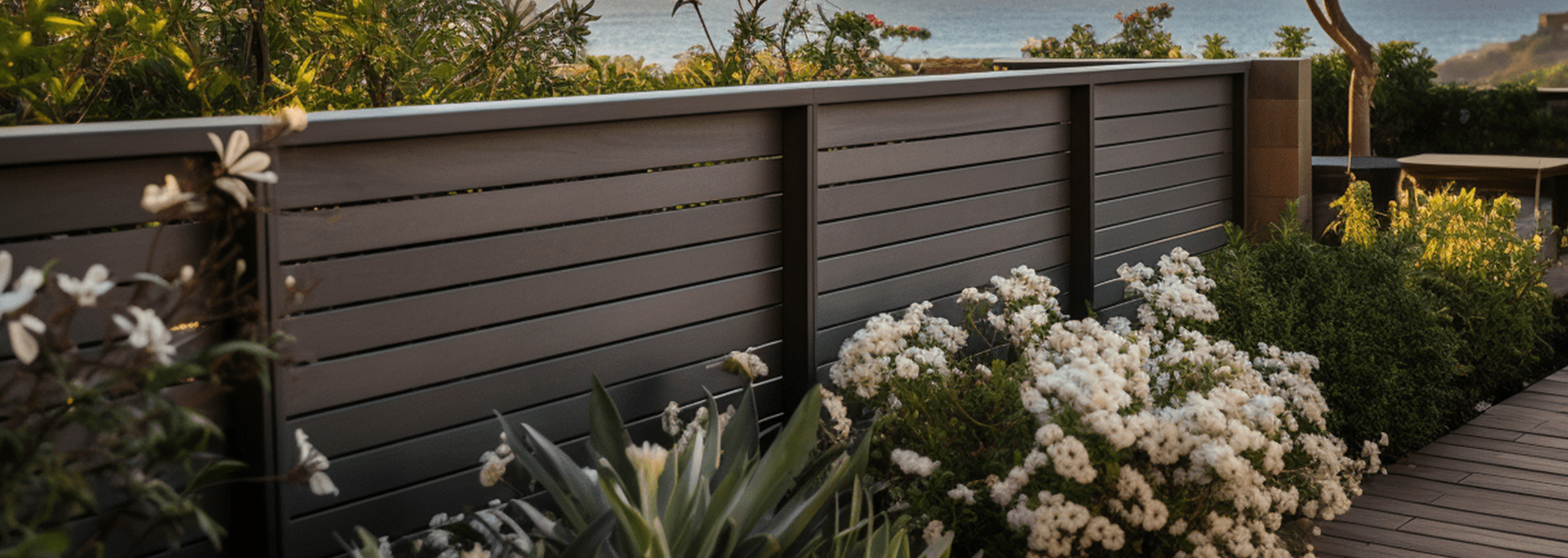
| Flammable fences, gates, and perimeter structures (wood fences, combustible gates) | Aluminum or steel fencing installation, combustible gate replacement | Non-combustible fences resist ignition from embers; replacing wooden gates or partially combustible structures with metal or treated materials reduces risk. Also helps meet code / regulation demands under Zone 0. |
| Combustible vegetation and debris too close to homes | Debris & vegetation clearing, Wildfire risk assessment | Removing or trimming back brush and vegetation creates the defensible space required by wildfire safety codes. An assessment helps identify exactly what needs removal or modification. |
| Exterior wood or combustible structures (sheds, pergolas, etc.) that can catch fire | Fire-retardant chemical treatment | Applying fire-retardant treatments to wood or other combustible surfaces reduces the chance that embers, radiant heat, or flame contact will ignite them. This can be especially useful for structures that homeowners want to keep but need to protect. |
| Fence lines acting as channels for fire to reach the house (especially if fence attaches to the house) | Perimeter fencing sprinkler systems and recommendations on design (using noncombustible sections where fences meet structures) | Sprinkle systems (or gel-spray systems) near fences can help slow or stop embers or flame spread. Noncombustible materials where fence meets house break the “fire path.” This is critical for Zone 0 compliance. |
| Aesthetic concerns / desire to have landscaping, style, privacy while still being safe | Custom designs in aluminum/steel fencing, color options, styles, low maintenance materials | Helps homeowners maintain the look of their property, privacy, and landscaping while shifting to safer, code-compliant materials. For many homeowners, this is about balancing beauty + safety. |
Why These Solutions Are Important (Beyond Just Compliance)
-
Safety First: Even a well-maintained yard or modest changes can make a huge difference in whether a home survives a wildfire. Embers are one of the biggest wildfire threats to structures; reducing something as simple as dry mulch next to siding or a wood fence can reduce ignition risk.
-
Insurance & Liability: As regulations tighten and insurers become stricter, being proactive can help with insurance premiums or avoiding denials. Having a defensible space and noncombustible elements around homes may help when it comes time for inspections, claims, or even resale.
-
Long-Term Cost Savings: While replacing fences, applying chemicals, etc. have upfront costs, preventing damage is much cheaper than rebuilding or repairing after wildfire damage. Also, nonmaintaining combustible materials can have repeated hidden costs (e.g. trimming, replacing burned boards, water damage after fire runs up fence, etc.).
Tips for Homeowners Preparing for Zone 0 / Being Fire-Ready
-
Get a wildfire risk assessment early. Know what issues your property has (vegetation, fence materials, combustible gates, etc.).
-
Start with Zone 0 (0-5 ft from the house) because that area is high priority under AB 3074. Remove mulch, plants, wood furniture, etc. Replace with gravel, stone, or hardscape.
-
Upgrade fencing & gates near structures: switch from wood to metal/aluminum/steel where feasible; ensure there’s separation/gap where fence meets house.
-
Use fire-retardant treatments on existing combustible structures rather than immediately replacing them (if they are still structurally sound and safe).
-
Maintain defensible space in outer zones: trimming vegetation in the 5-30 ft and beyond zones, keeping ground cover low in outer zones helps reduce fuel.
-
Document what you’ve done: take photos, keep invoices, keep assessments. Will help with compliance, insurance, or future buyers.
What to Look for in a Service Provider
If you’re hiring someone to help with compliance and wildfire safety, make sure they:
-
Use noncombustible / fire-safe materials (e.g. metal fences, non-ignitable surfaces)
-
Work with EPA-approved fire retardants, and apply them properly
-
Understand local fire codes and AB 3074 / Zone 0 rules, and build to those standards
-
Offer clear estimates, with what is required vs what is optional (for beauty, privacy, etc.)
-
Provide quality warranties or guarantees for their work
Conclusion
With California moving toward stricter wildfire safety rules around homes (especially under AB 3074’s Zone 0 mandate), homeowners who wait may face costly required upgrades, potential code compliance issues, or worse, increased risk of losing property in a wildfire.
Fireproof Home SoCal offers a suite of services that map directly to what Zone 0 and defensible space rules require. Their approach — combining risk assessment, noncombustible fencing, chemical treatments, and vegetation management — gives homeowners pathways to comply and preserve the aesthetics, comfort, and value of their homes.
If you’re a homeowner in Southern California, proactive investment now might save you from much bigger costs — financially, emotionally, and physically — later on.